

Your daily news update on Asia and the Pacific
Provided by AGP
A Chinese Neurosurgical Journal Study Explores Traumatic Epidural Hematoma Management Strategies in a Progeria Patient
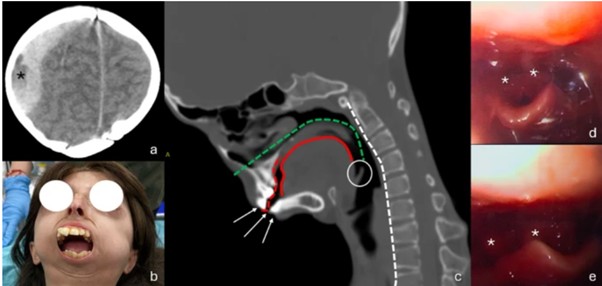
Researchers report a rare traumatic brain injury case in an adolescent and highlight the importance of a multidisciplinary approach when conventional techniques fail.
Researchers report a rare case of epidural hematoma in a 15-year-old with Hutchinson-Gilford Progeria Syndrome
BEIJING, CHINA, May 19, 2026 /EINPresswire.com/ -- Hutchinson-Gilford progeria syndrome (HGPS) is a rare genetic condition characterized by accelerated aging, severe vascular fragility, and reduced life expectancy. In a rare case study, researchers report a traumatic brain injury case in a 15-year-old adolescent with HGPS, where conventional management methods failed, owing to no curative therapies for HGPS and limited benefits from lonafarnib. The report concludes by stressing the need for improved multidisciplinary trauma care strategies when managing patients with HGPS.Hutchinson-Gilford progeria syndrome (HGPS) is a rare genetic condition characterized by aging in children and reduced life expectancy. Elderly patients are known to be sensitive to trauma, and surgical procedures in this population demand careful and precise management. However, trauma management in patients with HGPS remains poorly defined. Currently, around 140 children around the world have no curative treatment available and clinical care is largely supportive in nature. The only approved therapy, farnesyl transferase inhibitor lonafarnib, extends life expectancy by approximately 1.6 years, highlighting the need for better understanding and management strategies.
To bridge this gap, a team of researchers led by Dr. Ali Imran Ozmarasali from Bursa State Hospital, Türkiye and consisting of collaborators from the same institution, Dr. Zuhal Zeybek Sivas, Dr. Ilken Uguz, and Dr. Arzu Oto, reported a rare case of traumatic brain injury in an adolescent with HGPS. Their findings were published in Volume 12, Article number 11 of the Chinese Neurosurgical Journal on 03 April 2026.
The study presents a 15-year-old patient with HGPS who developed an epidural hematoma and outlines the complex, multidisciplinary decisions required for successful treatment. Dr. Ozmarasali notes, “Our case is particularly significant as it represents the third reported instance of epidural hematomas (EDH) in HGPS and is the first to provide a detailed overview of both anesthetic and operative management in a 15-year-old—the oldest reported survivor with this pathology.”
HGPS is caused by a mutation in the LMNA gene, resulting in the accumulation of progerin, a protein that disrupts cellular function and accelerates systemic degeneration. A key consequence is progressive vascular damage, which significantly increases susceptibility to intracranial injury even after minor trauma. Although cerebrovascular events are relatively common, traumatic EDHs are extremely rare, with only two pediatric cases previously documented. Dr. Ozmarasali explains, “Patients with HGPS are highly susceptible to intracranial hemorrhage even after minor trauma due to progerin-induced vasculopathy. Progerin accumulation leads to a progressive loss of vascular smooth muscle cells and accelerated medial calcification. The progressive loss of vascular smooth muscle cells and accelerated stiffening of large arteries. This pathology, combined with potentially reduced intracranial compliance, may alter the brain’s buffering capacity against expanding collections, leading to faster neurological deterioration compared to the general pediatric population.”
In this report, the patient presented with a head injury due to an accidental fall and initially developed only mild symptoms. However, the patient’s neurological condition deteriorated within hours, with imaging revealing a large epidural hematoma measuring 22 mm in thickness. This sudden advancement shows reduced intracranial compliance and vascular fragility associated with progerin accumulation.
A major challenge was airway management, which arose due to craniofacial abnormalities such as micrognathia, restricted neck mobility, and progressive glottic sclerosis. Conventional intubation methods were unsuccessful, including fiberoptic attempts, necessitating an emergency percutaneous tracheostomy. “The patient’s advanced age was associated with more severe anatomical distortions, making standard intubation unsuccessful, necessitating emergency surgical airway management. Given the rapid and unpredictable expansion of the hematoma, urgent craniotomy with direct hemostasis was required, ultimately leading to a successful outcome, ” elaborates Dr. Ozmarasali.
Post-stabilization, the patient underwent urgent neurosurgical intervention. Active bleeding from a coronal suture diastasis was controlled using bone wax and dural tenting sutures during craniotomy. The procedure was completed without complications, with full neurological recovery, and the patient was discharged 10 days later.
According to the authors, the study highlights the importance of multidisciplinary coordination, with particular emphasis on the high-risk environment caused by the combination of vascular fragility, altered pressure dynamics, and risky airway management, requiring close coordination. “In conclusion, prompt decision-making for tracheostomy, avoidance of anesthetic delays, and meticulous execution of surgical procedures are essential for favorable outcomes in this high-risk population,” says Dr. Ozmarasali.
***
Reference
Title of original paper: Epidural hematoma in a pediatric patient with Hutchinson–Gilford progeria syndrome: management considerations: a case report
Journal: Chinese Neurosurgical Journal
DOI: 10.1186/s41016-026-00431-z
About Bursa City Hospital
The Bursa City Hospital is designed to include three hospitals with a combined bed capacity of 1,355. The project comprises a 1,055-bed Main Hospital, a 200-bed Physical Therapy and Rehabilitation Hospital, and a 100-bed High Security Forensic Psychiatry Hospital. The main hospital facility consists of four buildings surrounding a shared core building and includes the General Hospital with a bed capacity of 283, the Cardiovascular Diseases Hospital with a bed capacity of 271, the Oncology Hospital with a bed capacity of 250, the Maternity and Children’s Hospital, a General Hospital, and the Psychiatry Hospital with a combined bed capacity of 251.
Website: https://bursasehir.saglik.gov.tr/?_Dil=2
About Dr. Ali Imran Ozmarasali from Bursa State Hospital
Dr. Ali Imran Ozmarasali is a neurosurgeon affiliated with the Department of Neurosurgery at Bursa State Hospital and Bursa Uludag University, Turkiye. His research focuses on neurosurgical trauma, spine disorders, and peripheral nerve regeneration. His work includes clinical case reports, surgical outcomes, and experimental studies on nerve injury. Notably, he has authored and co-authored studies in international journals.
Yi Lu
Chinese Neurosurgical Journal
1059978478 ext.
luyi617@sina.cn
Legal Disclaimer:
EIN Presswire provides this news content "as is" without warranty of any kind. We do not accept any responsibility or liability for the accuracy, content, images, videos, licenses, completeness, legality, or reliability of the information contained in this article. If you have any complaints or copyright issues related to this article, kindly contact the author above.
