
Your daily news update on Asia and the Pacific
Provided by AGP
Fly Ash Bricks Processing Plant Setup, Feasibility Study, ROI Analysis and Business Plan Consultant
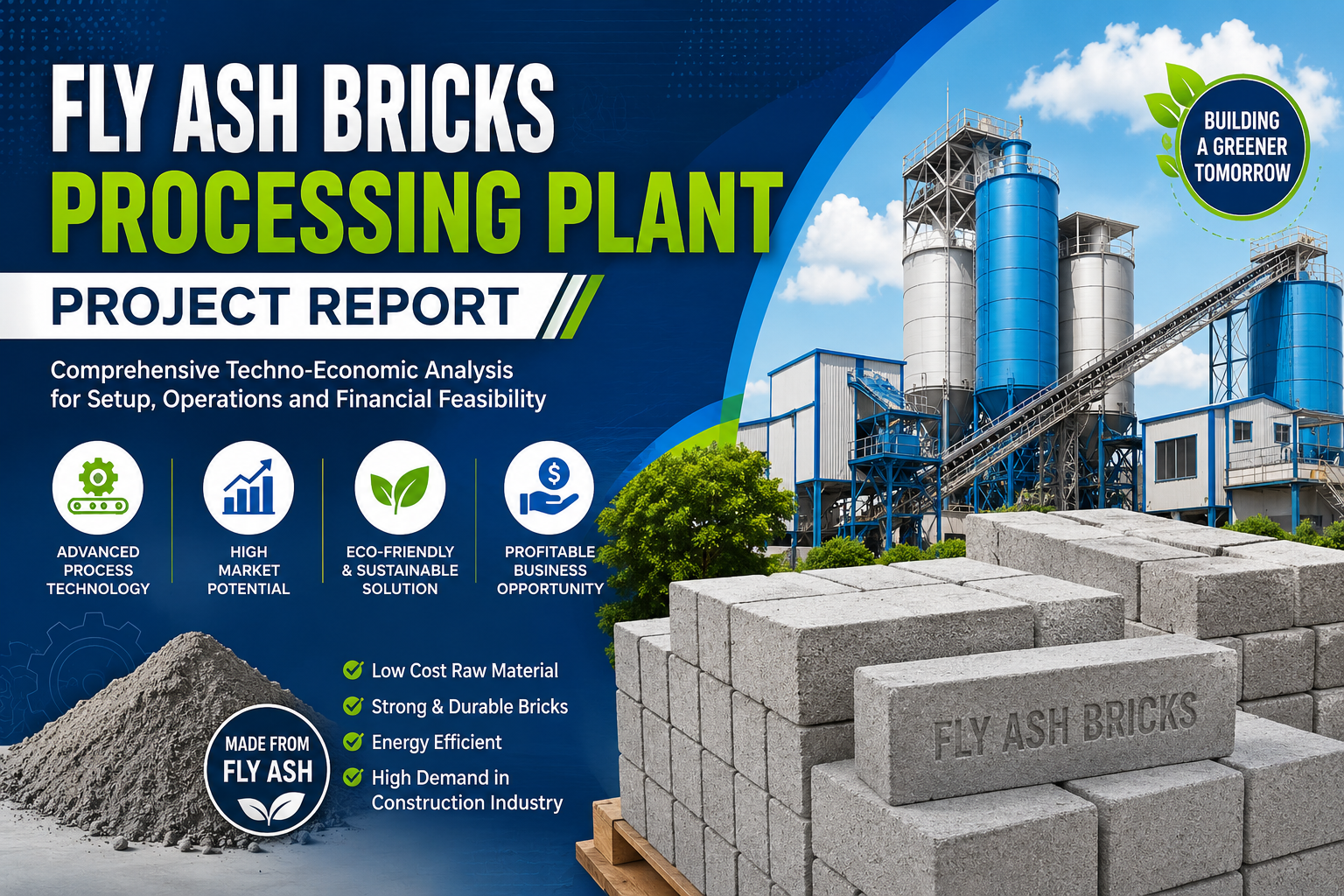
IMARC Group’s Fly Ash Bricks Processing Plant Project Report is a complete DPR, fly ash bricks processing plant setup guide, and fly ash bricks processing feasibility study for investors, entrepreneurs, and construction material manufacturers. It covers the full fly ash brick making plant setup - from raw material batching through mixing, moulding, curing, and quality testing - with complete fly ash bricks plant CapEx and OpEx modelling and 10-year financial projections.
𝐑𝐞𝐪𝐮𝐞𝐬𝐭 𝐟𝐨𝐫 𝐚 𝐒𝐚𝐦𝐩𝐥𝐞 𝐑𝐞𝐩𝐨𝐫𝐭: https://www.imarcgroup.com/fly-ash-bricks-manufacturing-plant-project-report/requestsample
𝐈𝐧𝐯𝐞𝐬𝐭𝐦𝐞𝐧𝐭 𝐃𝐫𝐢𝐯𝐞𝐫𝐬 𝐚𝐧𝐝 𝐌𝐚𝐫𝐤𝐞𝐭 𝐎𝐩𝐩𝐨𝐫𝐭𝐮𝐧𝐢𝐭𝐲
Three forces are simultaneously driving fly ash brick demand across geographies:
𝐆𝐨𝐯𝐞𝐫𝐧𝐦𝐞𝐧𝐭 𝐦𝐚𝐧𝐝𝐚𝐭𝐞𝐬 𝐜𝐫𝐞𝐚𝐭𝐢𝐧𝐠 𝐜𝐚𝐩𝐭𝐢𝐯𝐞 𝐝𝐞𝐦𝐚𝐧𝐝: Multiple Indian states have mandated the use of fly ash bricks in government-funded construction. Madhya Pradesh mandates fly ash bricks in highways and housing projects within specified radii of coal plants. Bihar prohibits new conventional brick kilns and mandates fly ash alternatives for all government infrastructure. The Fly Ash Utilization Policy of India requires thermal power plants to supply fly ash to brick manufacturers at minimal or zero cost, effectively subsidising the primary raw material for the fly ash brick production plant.
𝐈𝐧𝐟𝐫𝐚𝐬𝐭𝐫𝐮𝐜𝐭𝐮𝐫𝐞 𝐛𝐨𝐨𝐦 𝐝𝐫𝐢𝐯𝐢𝐧𝐠 𝐬𝐭𝐫𝐮𝐜𝐭𝐮𝐫𝐚𝐥 𝐝𝐞𝐦𝐚𝐧𝐝: India is the third-largest construction market in the world. PMAY (Pradhan Mantri Awas Yojana) targets millions of affordable housing units. The Smart Cities Mission, national highway expansion, and commercial real estate growth are all adding demand for large volumes of construction materials. Fly ash bricks cost 20–30% less than conventional clay bricks when factoring in transport, mortar requirement, and plastering - making them the preferred choice for cost-conscious developers and government contractors alike.
𝐒𝐮𝐬𝐭𝐚𝐢𝐧𝐚𝐛𝐢𝐥𝐢𝐭𝐲 𝐫𝐞𝐠𝐮𝐥𝐚𝐭𝐢𝐨𝐧𝐬 𝐦𝐚𝐤𝐢𝐧𝐠 𝐠𝐫𝐞𝐞𝐧 𝐛𝐫𝐢𝐜𝐤𝐬 𝐭𝐡𝐞 𝐜𝐨𝐦𝐩𝐥𝐢𝐚𝐧𝐭 𝐜𝐡𝐨𝐢𝐜𝐞: Conventional clay brick production involves top-soil excavation and kiln firing at high temperatures - contributing to soil erosion, agricultural land degradation, and carbon emissions. Fly ash bricks require no kiln firing and use industrial waste as the primary input. Green building certification frameworks including LEED, GRIHA, and India’s national green building standards all reward fly ash brick usage. As building sustainability compliance requirements tighten across commercial construction, developers actively specify eco-friendly bricks to meet certification targets.
𝐅𝐥𝐲 𝐀𝐬𝐡 𝐁𝐫𝐢𝐜𝐤𝐬 𝐓𝐲𝐩𝐞𝐬 𝐚𝐧𝐝 𝐏𝐫𝐨𝐝𝐮𝐜𝐭 𝐑𝐚𝐧𝐠𝐞
A fly ash bricks plant’s product range is defined by fly ash class, mix design, and intended structural application:
• 𝐒𝐭𝐚𝐧𝐝𝐚𝐫𝐝 𝐟𝐥𝐲 𝐚𝐬𝐡 𝐛𝐫𝐢𝐜𝐤𝐬 (𝐈𝐒 12894): The core volume product. Nominal size 230×110×75 mm, matching the standard clay brick format. Used in residential, commercial, and industrial construction wherever conventional bricks are specified. Compressive strength 7.5–10 N/mm², water absorption below 12%.
• 𝐇𝐢𝐠𝐡-𝐬𝐭𝐫𝐞𝐧𝐠𝐭𝐡 𝐥𝐨𝐚𝐝-𝐛𝐞𝐚𝐫𝐢𝐧𝐠 𝐟𝐥𝐲 𝐚𝐬𝐡 𝐛𝐫𝐢𝐜𝐤𝐬: Higher cement or lime content with optimised mix design for multi-storey and heavy-duty construction. Compressive strength above 10 N/mm². Preferred for columns, plinths, and load-bearing walls in commercial and government projects.
• 𝐅𝐥𝐲 𝐚𝐬𝐡 𝐡𝐨𝐥𝐥𝐨𝐰 𝐛𝐥𝐨𝐜𝐤𝐬: Larger format with internal voids for reduced weight and improved thermal insulation. Used in partition walls and infill panels for framed structures. Lower material consumption per unit volume reduces fly ash bricks plant OpEx.
• 𝐅𝐥𝐲 𝐚𝐬𝐡 𝐩𝐚𝐯𝐢𝐧𝐠 𝐛𝐥𝐨𝐜𝐤𝐬: High-density, heavy-duty format for footpaths, driveways, and industrial yard paving. Premium pricing relative to standard bricks with a distinct distribution channel through infrastructure contractors.
• 𝐂𝐥𝐚𝐬𝐬 𝐅 𝐯𝐞𝐫𝐬𝐮𝐬 𝐂𝐥𝐚𝐬𝐬 𝐂 𝐟𝐥𝐲 𝐚𝐬𝐡 𝐛𝐫𝐢𝐜𝐤𝐬: Class F fly ash (from bituminous coal) has low calcium content and requires lime or cement activation. Class C fly ash (from lignite coal) is self-cementitious. Mix design differs significantly between the two, affecting curing cycle, final strength, and fly ash bricks processing unit cost.
𝐅𝐥𝐲 𝐀𝐬𝐡 𝐁𝐫𝐢𝐜𝐤𝐬 𝐏𝐫𝐨𝐜𝐞𝐬𝐬𝐢𝐧𝐠 𝐏𝐥𝐚𝐧𝐭 𝐅𝐞𝐚𝐬𝐢𝐛𝐢𝐥𝐢𝐭𝐲 𝐑𝐞𝐩𝐨𝐫𝐭 → https://www.imarcgroup.com/fly-ash-bricks-manufacturing-plant-project-report
𝐇𝐨𝐰 𝐚 𝐅𝐥𝐲 𝐀𝐬𝐡 𝐁𝐫𝐢𝐜𝐤𝐬 𝐏𝐫𝐨𝐜𝐞𝐬𝐬𝐢𝐧𝐠 𝐏𝐥𝐚𝐧𝐭 𝐖𝐨𝐫𝐤𝐬 -𝐓𝐡𝐞 𝐌𝐨𝐮𝐥𝐝𝐢𝐧𝐠 𝐚𝐧𝐝 𝐂𝐮𝐫𝐢𝐧𝐠 𝐏𝐫𝐨𝐜𝐞𝐬𝐬
Fly ash brick processing is a pressure-moulding process without kiln firing. The absence of high-temperature firing is the key differentiator from clay bricks and the primary driver of lower energy cost:
• 𝐑𝐚𝐰 𝐦𝐚𝐭𝐞𝐫𝐢𝐚𝐥 𝐜𝐨𝐥𝐥𝐞𝐜𝐭𝐢𝐨𝐧 𝐚𝐧𝐝 𝐭𝐞𝐬𝐭𝐢𝐧𝐠: Fly ash is collected from thermal power plant ESPs (electrostatic precipitators) or ash ponds. Quality testing covers particle size, LOI (loss on ignition), reactive silica content, and moisture. Consistent fly ash quality is critical for batch-to-batch strength uniformity
• 𝐌𝐚𝐭𝐞𝐫𝐢𝐚𝐥 𝐛𝐚𝐭𝐜𝐡𝐢𝐧𝐠 𝐚𝐧𝐝 𝐰𝐞𝐢𝐠𝐡𝐢𝐧𝐠: Fly ash, cement or lime, sand or stone dust, and water are weighed in precise proportions using digital batching systems. Typical mix: 60–70% fly ash, 10–15% cement or lime, 15–20% sand, and water. Digital batch controllers reduce variation and fly ash bricks processing unit cost
• 𝐌𝐢𝐱𝐢𝐧𝐠 𝐚𝐧𝐝 𝐛𝐥𝐞𝐧𝐝𝐢𝐧𝐠: All materials are fed into a pan mixer or ribbon blender and mixed to a uniform, semi-dry consistency. Mixing time and water content are controlled to ensure consistent mould fill and green strength
• 𝐇𝐲𝐝𝐫𝐚𝐮𝐥𝐢𝐜 𝐩𝐫𝐞𝐬𝐬𝐢𝐧𝐠 𝐚𝐧𝐝 𝐦𝐨𝐮𝐥𝐝𝐢𝐧𝐠: The mixed material is fed into multi-cavity hydraulic press moulds. Pressing pressure (typically 100–200 tonnes) determines final brick density and strength. Hydraulic presses produce 3,000–6,000 bricks per hour depending on configuration
• 𝐆𝐫𝐞𝐞𝐧 𝐛𝐫𝐢𝐜𝐤 𝐡𝐚𝐧𝐝𝐥𝐢𝐧𝐠 𝐚𝐧𝐝 𝐫𝐚𝐜𝐤 𝐬𝐞𝐭𝐭𝐢𝐧𝐠: Freshly pressed bricks are carefully removed from the mould and stacked on curing racks. Green strength must be sufficient to withstand handling without damage
• 𝐂𝐮𝐫𝐢𝐧𝐠: Water curing (continuous sprinkling for 14–28 days) is the standard method. Autoclave or steam curing accelerates the process to 8–12 hours at elevated pressure and temperature, producing higher early-age strength. Steam curing increases CapEx but improves throughput significantly
• 𝐐𝐮𝐚𝐥𝐢𝐭𝐲 𝐭𝐞𝐬𝐭𝐢𝐧𝐠 𝐚𝐧𝐝 𝐠𝐫𝐚𝐝𝐢𝐧𝐠: Compressive strength, water absorption, efflorescence, and dimensional accuracy are tested per BIS IS 12894. Passing samples are graded and cleared for dispatch
• 𝐒𝐭𝐚𝐜𝐤𝐢𝐧𝐠 𝐚𝐧𝐝 𝐝𝐢𝐬𝐩𝐚𝐭𝐜𝐡: Bricks are stacked in standardised pallets or loose for direct loading. Proximity to construction sites and road access are key logistics factors
𝐏𝐥𝐚𝐧𝐭 𝐈𝐧𝐯𝐞𝐬𝐭𝐦𝐞𝐧𝐭 𝐄𝐜𝐨𝐧𝐨𝐦𝐢𝐜𝐬
𝐏𝐫𝐨𝐝𝐮𝐜𝐭𝐢𝐨𝐧 𝐂𝐚𝐩𝐚𝐜𝐢𝐭𝐲:
• The proposed processing facility is designed with an annual production capacity of 50 million bricks, enabling economies of scale while maintaining operational flexibility
𝐏𝐫𝐨𝐟𝐢𝐭𝐚𝐛𝐢𝐥𝐢𝐭𝐲 𝐁𝐞𝐧𝐜𝐡𝐦𝐚𝐫𝐤𝐬:
• Gross Profit: 30–40%
• Net Profit: 15–25% after financing costs, depreciation, and taxes
𝐎𝐩𝐞𝐫𝐚𝐭𝐢𝐧𝐠 𝐂𝐨𝐬𝐭 (𝐎𝐩𝐄𝐱) 𝐁𝐫𝐞𝐚𝐤𝐝𝐨𝐰𝐧:
• Raw Materials (fly ash, cement/lime, sand, stone dust): 50–60% of total OpEx
• Utilities: 15–20% of OpEx
𝐅𝐥𝐲 𝐀𝐬𝐡 𝐁𝐫𝐢𝐜𝐤𝐬 𝐏𝐥𝐚𝐧𝐭 𝐂𝐚𝐩𝐄𝐱 𝐂𝐨𝐦𝐩𝐨𝐧𝐞𝐧𝐭𝐬:
• 𝐋𝐚𝐧𝐝 𝐚𝐧𝐝 𝐟𝐚𝐜𝐭𝐨𝐫𝐲: batching and mixing area, pressing hall, curing yard, finished goods storage, and testing laboratory
• 𝐂𝐨𝐫𝐞 𝐦𝐚𝐜𝐡𝐢𝐧𝐞𝐫𝐲: hydraulic brick press (multi-cavity), pan mixer or ribbon blender, digital batching system, conveyor and handling equipment
• 𝐂𝐮𝐫𝐢𝐧𝐠 𝐢𝐧𝐟𝐫𝐚𝐬𝐭𝐫𝐮𝐜𝐭𝐮𝐫𝐞: water curing yards with sprinkler systems, or autoclave/steam curing chamber for high-throughput configurations
• 𝐔𝐭𝐢𝐥𝐢𝐭𝐢𝐞𝐬: power supply for hydraulic press and mixers, water supply for curing, compressed air
• 𝐏𝐫𝐞-𝐨𝐩𝐞𝐫𝐚𝐭𝐢𝐯𝐞 𝐜𝐨𝐬𝐭𝐬: BIS IS 12894 certification, factory registration, initial fly ash supply agreements with nearest thermal power plant, working capital
𝐀𝐬𝐤 𝐀𝐧𝐚𝐥𝐲𝐬𝐭 𝐟𝐨𝐫 𝐂𝐮𝐬𝐭𝐨𝐦𝐢𝐳𝐚𝐭𝐢𝐨𝐧: https://www.imarcgroup.com/request?type=report&id=14153&flag=C
𝐆𝐥𝐨𝐛𝐚𝐥 𝐌𝐚𝐫𝐤𝐞𝐭 𝐚𝐧𝐝 𝐑𝐞𝐠𝐢𝐨𝐧𝐚𝐥 𝐃𝐞𝐦𝐚𝐧𝐝
The global fly ash bricks market, valued at USD 1.39 billion in 2025, is projected to reach USD 2.66 billion by 2034 at a CAGR of 7.5%. Asia Pacific dominates both production and consumption, driven by massive construction activity in India, China, and Southeast Asia.
𝐈𝐧𝐝𝐢𝐚: The largest single market for fly ash bricks globally, driven by a construction boom, government affordable housing programmes, and regulatory mandates. The Fly Ash Utilization Policy mandates free or low-cost fly ash supply to brick manufacturers. State-level mandates in Madhya Pradesh, Bihar, Uttar Pradesh, and Rajasthan create guaranteed institutional demand. Smart Cities Mission and PMAY ensure long-term public procurement. India is estimated to generate over 200 million tonnes of fly ash annually from thermal power plants - creating a near-unlimited supply of low-cost raw material for a green brick processing plant.
𝐂𝐡𝐢𝐧𝐚: The world’s largest fly ash generator and one of the largest consumers of fly ash construction products. China’s massive urbanisation and infrastructure build-out, combined with strict industrial waste utilisation targets, have created a large domestic fly ash brick industry. China is investing approximately USD 1.43 trillion in major construction projects, sustaining demand for cost-effective and sustainable brick alternatives.
𝐔𝐧𝐢𝐭𝐞𝐝 𝐒𝐭𝐚𝐭𝐞𝐬: Eco Material Technologies acquired Boral Resources’ North American fly ash business, signalling active consolidation in fly ash utilisation. Green building codes, LEED certification requirements, and EPA regulations on coal combustion residual disposal are driving fly ash utilisation in construction products across the US.
𝐄𝐮𝐫𝐨𝐩𝐞: The EU-backed GREEN CAST research project confirmed fly ash as an excellent insulating building material. Germany, Poland, and the Czech Republic, with large thermal power industries, are the primary European fly ash brick markets. EU Taxonomy for sustainable activities is adding regulatory incentive for green building material adoption.
𝐒𝐨𝐮𝐭𝐡𝐞𝐚𝐬𝐭 𝐀𝐬𝐢𝐚 𝐚𝐧𝐝 𝐌𝐢𝐝𝐝𝐥𝐞 𝐄𝐚𝐬𝐭: Vietnam, Indonesia, and the Philippines have large thermal power fleets and are expanding fly ash brick processing. The Middle East’s infrastructure build-out, including Saudi Vision 2030 and UAE urban development projects, creates growing demand for cost-effective and sustainable construction materials.
𝐒𝐢𝐭𝐞 𝐒𝐞𝐥𝐞𝐜𝐭𝐢𝐨𝐧 𝐚𝐧𝐝 𝐏𝐨𝐥𝐢𝐜𝐲 𝐒𝐮𝐩𝐩𝐨𝐫𝐭
Location decisions for a fly ash bricks plant setup directly affect raw material cost, logistics, and regulatory compliance:
• 𝐏𝐫𝐨𝐱𝐢𝐦𝐢𝐭𝐲 𝐭𝐨 𝐭𝐡𝐞𝐫𝐦𝐚𝐥 𝐩𝐨𝐰𝐞𝐫 𝐩𝐥𝐚𝐧𝐭𝐬: Fly ash transport cost rises significantly beyond 100 km. Plants located within 50–80 km of a coal-fired power station access fly ash at near-zero raw material cost, maximising the fly ash bricks plant ROI. Under India’s Fly Ash Utilization Policy, power plants must supply fly ash free of charge to units within specified distances
• 𝐀𝐜𝐜𝐞𝐬𝐬 𝐭𝐨 𝐬𝐚𝐧𝐝 𝐨𝐫 𝐬𝐭𝐨𝐧𝐞 𝐝𝐮𝐬𝐭: The second key aggregate input. Proximity to river sand sources, stone crushing units, or quarry dust suppliers reduces input logistics cost
• 𝐂𝐨𝐧𝐬𝐭𝐫𝐮𝐜𝐭𝐢𝐨𝐧 𝐚𝐜𝐭𝐢𝐯𝐢𝐭𝐲 𝐜𝐥𝐮𝐬𝐭𝐞𝐫𝐬: Fly ash bricks are heavy and expensive to transport beyond 150–200 km. Sites near major residential construction zones, government housing projects, highway corridors, or commercial real estate clusters minimise outbound logistics cost and improve delivery responsiveness
• 𝐖𝐚𝐭𝐞𝐫 𝐚𝐯𝐚𝐢𝐥𝐚𝐛𝐢𝐥𝐢𝐭𝐲 𝐟𝐨𝐫 𝐜𝐮𝐫𝐢𝐧𝐠: Water curing requires continuous water supply over 14–28 days per batch. Industrial estates with reliable water supply, or proximity to surface water bodies, are baseline site requirements
• 𝐆𝐨𝐯𝐞𝐫𝐧𝐦𝐞𝐧𝐭 𝐢𝐧𝐜𝐞𝐧𝐭𝐢𝐯𝐞𝐬: India - PMEGP scheme for MSME fly ash brick units, state capital subsidies, GST input credits. Bihar and MP -additional state-level support for manufacturers in fly ash utilisation mandate zones. BIS IS 12894 certification required for access to government and institutional contracts
𝐑𝐞𝐩𝐨𝐫𝐭 𝐂𝐨𝐯𝐞𝐫𝐚𝐠𝐞
IMARC Group’s Fly Ash Bricks Plant Project Report is a complete fly ash bricks processing business plan and technical reference:
• 𝐅𝐮𝐥𝐥 𝐩𝐫𝐨𝐜𝐞𝐬𝐬 𝐟𝐥𝐨𝐰 𝐰𝐢𝐭𝐡 𝐦𝐚𝐬𝐬 𝐛𝐚𝐥𝐚𝐧𝐜𝐞: from raw material batching through mixing, pressing, curing, testing, and dispatch
• 𝐅𝐥𝐲 𝐚𝐬𝐡 𝐛𝐫𝐢𝐜𝐤𝐬 𝐩𝐥𝐚𝐧𝐭 𝐂𝐚𝐩𝐄𝐱 𝐛𝐫𝐞𝐚𝐤𝐝𝐨𝐰𝐧: hydraulic press, mixer, batching system, curing infrastructure, and laboratory equipment
• 10-𝐲𝐞𝐚𝐫 𝐎𝐩𝐄𝐱 𝐩𝐫𝐨𝐣𝐞𝐜𝐭𝐢𝐨𝐧𝐬: fly ash procurement, cement/lime, sand, utilities, labour, maintenance
• 𝐅𝐢𝐧𝐚𝐧𝐜𝐢𝐚𝐥 𝐦𝐨𝐝𝐞𝐥: fly ash bricks plant ROI, IRR, NPV, DSCR, break-even, and sensitivity tables across raw material price and capacity utilisation scenarios
• 𝐌𝐚𝐜𝐡𝐢𝐧𝐞𝐫𝐲 𝐬𝐩𝐞𝐜𝐢𝐟𝐢𝐜𝐚𝐭𝐢𝐨𝐧𝐬: hydraulic press options from Indian, Chinese, and Taiwanese suppliers; semi-automatic versus fully automatic configurations
• 𝐏𝐫𝐨𝐝𝐮𝐜𝐭 𝐦𝐢𝐱 𝐬𝐭𝐫𝐚𝐭𝐞𝐠𝐲: standard bricks versus high-strength versus hollow blocks - margin and market access comparison
• 𝐅𝐥𝐲 𝐚𝐬𝐡 𝐛𝐫𝐢𝐜𝐤𝐬 𝐩𝐥𝐚𝐧𝐭 𝐬𝐞𝐭𝐮𝐩 𝐜𝐨𝐬𝐭 𝐛𝐞𝐧𝐜𝐡𝐦𝐚𝐫𝐤𝐢𝐧𝐠: across different capacity configurations and curing methods
• 𝐑𝐞𝐠𝐮𝐥𝐚𝐭𝐨𝐫𝐲 𝐜𝐨𝐦𝐩𝐥𝐢𝐚𝐧𝐜𝐞: BIS IS 12894 certification, Fly Ash Utilization Policy compliance, factory registration, and environmental clearance
The report is built for construction material entrepreneurs evaluating a fly ash bricks plant investment, real estate developers considering captive brick supply, MSME operators accessing PMEGP financing, and banks requiring a bankable fly ash bricks processing feasibility study for project financing.
𝐁𝐫𝐨𝐰𝐬𝐞 𝐌𝐨𝐫𝐞 𝐅𝐞𝐚𝐬𝐢𝐛𝐢𝐥𝐢𝐭𝐲 𝐒𝐭𝐮𝐝𝐲 𝐚𝐧𝐝 𝐁𝐮𝐬𝐢𝐧𝐞𝐬𝐬 𝐏𝐥𝐚𝐧 𝐑𝐞𝐩𝐨𝐫𝐭𝐬 𝐛𝐲 𝐈𝐌𝐀𝐑𝐂 𝐆𝐫𝐨𝐮𝐩:
• 𝗭𝗶𝗻𝗰 𝗜𝗻𝗴𝗼𝘁 𝗠𝗮𝗻𝘂𝗳𝗮𝗰𝘁𝘂𝗿𝗶𝗻𝗴 𝗣𝗹𝗮𝗻𝘁 𝗣𝗿𝗼𝗷𝗲𝗰𝘁 𝗥𝗲𝗽𝗼𝗿𝘁: https://www.imarcgroup.com/zinc-ingot-manufacturing-plant-project-report
• 𝗔𝗹𝘂𝗺𝗶𝗻𝗶𝘂𝗺 𝗣𝗶𝗽𝗲 𝗠𝗮𝗻𝘂𝗳𝗮𝗰𝘁𝘂𝗿𝗶𝗻𝗴 𝗣𝗹𝗮𝗻𝘁 𝗣𝗿𝗼𝗷𝗲𝗰𝘁 𝗥𝗲𝗽𝗼𝗿𝘁: https://www.imarcgroup.com/aluminium-pipe-manufacturing-plant-project-report
• 𝗔𝗹𝘂𝗺𝗶𝗻𝘂𝗺 𝗔𝗶𝗿 𝗘𝘃 𝗕𝗮𝘁𝘁𝗲𝗿𝘆 𝗠𝗮𝗻𝘂𝗳𝗮𝗰𝘁𝘂𝗿𝗶𝗻𝗴 𝗣𝗹𝗮𝗻𝘁 𝗣𝗿𝗼𝗷𝗲𝗰𝘁 𝗥𝗲𝗽𝗼𝗿𝘁: https://www.imarcgroup.com/aluminum-air-ev-battery-manufacturing-plant-project-report
• 𝗧𝗿𝗶𝗽𝗹𝗲 𝗦𝘂𝗽𝗲𝗿𝗽𝗵𝗼𝘀𝗽𝗵𝗮𝘁𝗲 (𝗧𝗦𝗣) 𝗠𝗮𝗻𝘂𝗳𝗮𝗰𝘁𝘂𝗿𝗶𝗻𝗴 𝗣𝗹𝗮𝗻𝘁 𝗣𝗿𝗼𝗷𝗲𝗰𝘁 𝗥𝗲𝗽𝗼𝗿𝘁: https://www.imarcgroup.com/triple-superphosphate-manufacturing-plant-project-report
• 𝗧𝗙𝗧 𝗟𝗖𝗗 𝗠𝗮𝗻𝘂𝗳𝗮𝗰𝘁𝘂𝗿𝗶𝗻𝗴 𝗣𝗹𝗮𝗻𝘁 𝗣𝗿𝗼𝗷𝗲𝗰𝘁 𝗥𝗲𝗽𝗼𝗿𝘁: https://www.imarcgroup.com/tft-lcd-manufacturing-plant-project-report
• 𝗧𝗠𝗧 𝗕𝗮𝗿 𝗠𝗮𝗻𝘂𝗳𝗮𝗰𝘁𝘂𝗿𝗶𝗻𝗴 𝗣𝗹𝗮𝗻𝘁 𝗣𝗿𝗼𝗷𝗲𝗰𝘁 𝗥𝗲𝗽𝗼𝗿𝘁: https://www.imarcgroup.com/tmt-bar-manufacturing-plant-project-report
• 𝗦𝗲𝗺𝗶𝗰𝗼𝗻𝗱𝘂𝗰𝘁𝗼𝗿 𝗙𝗮𝗯𝗿𝗶𝗰𝗮𝘁𝗶𝗼𝗻 𝗠𝗮𝗻𝘂𝗳𝗮𝗰𝘁𝘂𝗿𝗶𝗻𝗴 𝗣𝗹𝗮𝗻𝘁 𝗣𝗿𝗼𝗷𝗲𝗰𝘁 𝗥𝗲𝗽𝗼𝗿𝘁: https://www.imarcgroup.com/semiconductor-fabrication-manufacturing-plant-project-report
• 𝗦𝗼𝗱𝗶𝘂𝗺 𝗟𝗮𝘂𝗿𝘆𝗹 𝗘𝘁𝗵𝗲𝗿 𝗦𝘂𝗹𝗽𝗵𝗮𝘁𝗲 (𝗦𝗟𝗘𝗦) 𝗣𝗿𝗼𝗱𝘂𝗰𝘁𝗶𝗼𝗻 𝗣𝗹𝗮𝗻𝘁 𝗣𝗿𝗼𝗷𝗲𝗰𝘁 𝗥𝗲𝗽𝗼𝗿𝘁: https://www.imarcgroup.com/sodium-lauryl-ether-sulphate-manufacturing-plant-project-report
• 𝗦𝘁𝗲𝗲𝗹 𝗙𝗼𝗿𝗴𝗶𝗻𝗴 𝗠𝗮𝗻𝘂𝗳𝗮𝗰𝘁𝘂𝗿𝗶𝗻𝗴 𝗣𝗹𝗮𝗻𝘁 𝗣𝗿𝗼𝗷𝗲𝗰𝘁 𝗥𝗲𝗽𝗼𝗿𝘁: https://www.imarcgroup.com/steel-forging-manufacturing-plant-project-report
• 𝗩𝗲𝗴𝗲𝘁𝗮𝗯𝗹𝗲 𝗗𝗲𝗵𝘆𝗱𝗿𝗮𝘁𝗶𝗼𝗻 𝗣𝗿𝗼𝗰𝗲𝘀𝘀𝗶𝗻𝗴 𝗣𝗹𝗮𝗻𝘁 𝗣𝗿𝗼𝗷𝗲𝗰𝘁 𝗥𝗲𝗽𝗼𝗿𝘁: https://www.imarcgroup.com/vegetable-dehydration-manufacturing-plant-project-report
𝐀𝐛𝐨𝐮𝐭 𝐈𝐌𝐀𝐑𝐂 𝐆𝐫𝐨𝐮𝐩
IMARC Group is a global market research and management consulting firm. Its plant setup and DPR practice serves investors, developers, government agencies, and banks across 50+ countries, delivering reports used for loan documentation, investment approvals, and engineering planning.
Elena Anderson
IMARC Services Private Limited
+1 201-971-6302
email us here
Legal Disclaimer:
EIN Presswire provides this news content "as is" without warranty of any kind. We do not accept any responsibility or liability for the accuracy, content, images, videos, licenses, completeness, legality, or reliability of the information contained in this article. If you have any complaints or copyright issues related to this article, kindly contact the author above.
