

Keystone Clinic & Surgery Reinforces Early Detection with Multi-Cancer Early Detection (MCED) Tests
Keystone Clinic & Surgery is highlighting Multi-Cancer Early Detection (MCED) testing as an emerging option that may complement approaches to cancer screening.
SINGAPORE, SINGAPORE, October 17, 2026 /EINPresswire.com/ -- SINGAPORE – Keystone Clinic & Surgery is highlighting Multi-Cancer Early Detection (MCED) testing as an emerging option that may complement established approaches to cancer screening. As a health screening clinic providing primary care and preventive services in Singapore, Keystone Clinic & Surgery aims to help patients understand where newer screening technologies may fit alongside routine, evidence-based care.
The clinic also provides nationally recommended preventive services for eligible patients, including Healthier SG Screening. These screenings are supported through CHAS subsidies, and patients enrolled under Healthier SG can also enjoy additional copayment waivers if eligible. However, MCED testing is separate from these national screening programmes and is not currently part of Singapore’s national cancer screening programme.
A Blood-Based Approach to Screening for Multiple Cancers
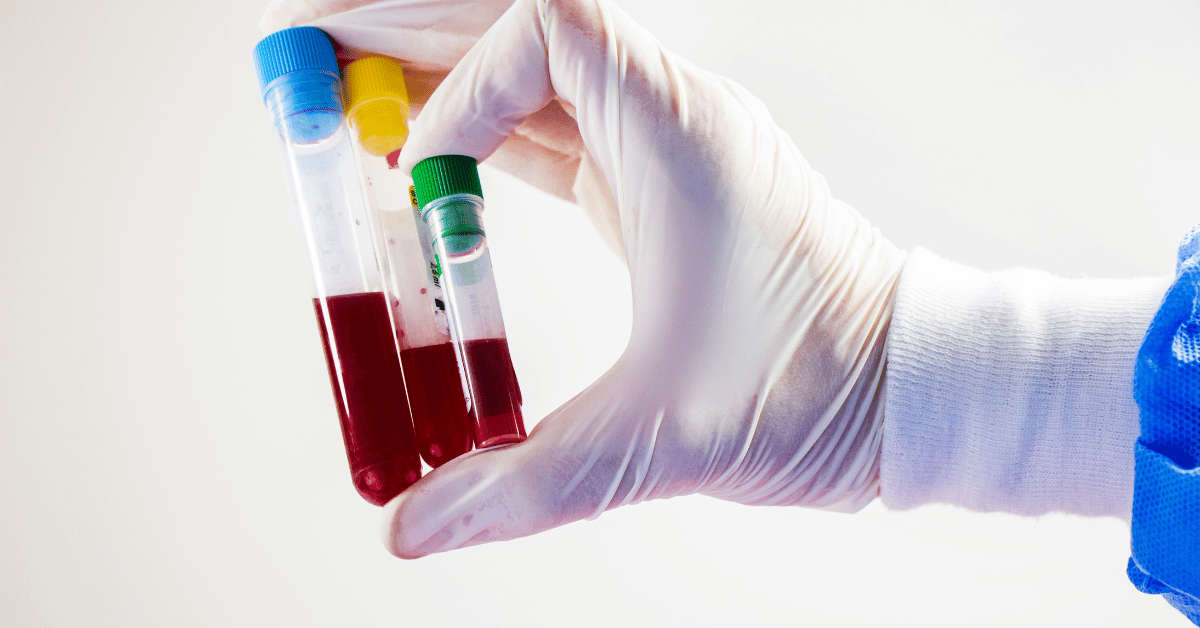
MCED tests are commonly described as liquid biopsy tests. Instead of taking a tissue sample directly from a suspected tumour, they analyse a blood sample for biological signals that may be associated with cancer. These may include circulating tumour DNA, cell-free DNA patterns, and other cancer-related markers released into the bloodstream.
From the patient’s perspective, the collection process is similar to a standard blood test. A blood sample is drawn and sent for laboratory analysis. Depending on the specific MCED platform, one blood draw may be used to look for signals linked to many different cancers. Some MCED platforms are designed to screen for signals associated with 50 or more cancer types.
An MCED blood test, however, does not confirm that cancer is present. If a cancer signal is detected, additional clinical assessment is required. This may involve imaging, specialist evaluation, and, when appropriate, a tissue biopsy to establish a diagnosis.
Supporting, Not Replacing, Established Screening
Keystone Clinic & Surgery emphasises that MCED testing should be considered an additional screening option rather than a substitute for established cancer screening.
The National Cancer Centre Singapore (NCCS) has similarly noted that MCED tests are not a replacement for recommended screening tests, including mammograms for breast cancer, Pap smears for cervical cancer, and colonoscopies for colorectal cancer. These established tests continue to have defined roles in screening specific populations and cancer types.
This distinction is also important because MCED tests can produce false-positive and false-negative results. Detection can vary according to the type and stage of cancer, and early tumours may release only small amounts of circulating tumour DNA into the bloodstream. A result therefore needs to be interpreted in the wider context of a patient’s health and other recommended screening.
“Multi-Cancer Early Detection (MCED) is an emerging technology which could change our intervention methods from reactive to proactive. These tests can further enhance cancer detection by supplementing the other nationally recommended screening tests,” a spokesperson for Keystone Clinic & Surgery said.
Research Continues in Singapore and Overseas
Interest in MCED technology is growing internationally, but researchers are still examining how these tests should be incorporated into routine screening and whether their use ultimately improves long-term population health outcomes.
In Singapore, NCCS announced a clinical study involving 1,000 people at higher risk of cancer because of genetic factors or pre-cancerous conditions. The study, planned for the second half of 2026, is intended to assess whether MCED tests can identify early-stage cancers among participants and to track their longer-term outcomes.
NCCS has also highlighted the need for evidence involving Asian populations. Much of the existing research has been conducted in Western populations, while differences in cancer epidemiology and genetic backgrounds may affect how test performance translates across populations.
The US National Cancer Institute likewise describes multi-cancer detection testing as an area of continuing research. These tests measure biological signals that cancer cells may release into blood or other body fluids, but abnormal results still require further investigation before cancer can be diagnosed.
Placing MCED Within a Wider Early Detection Strategy
For primary care clinics, MCED testing adds another consideration to discussions about cancer risk and preventive health. Screening decisions may depend on age, personal medical history, family history, lifestyle factors, symptoms, and eligibility for established screening programmes.
The role of medical consultation is therefore important in helping patients understand what an MCED result can and cannot show. A negative result does not rule out every cancer, while a positive cancer signal does not by itself establish a diagnosis.
Keystone Clinic & Surgery encourages patients to discuss cancer screening within the context of their individual health and risk profile. This includes keeping up with nationally recommended screening tests and discussing newer technologies with a doctor while considering their intended use, limitations, and possible follow-up requirements.
About Keystone Clinic & Surgery
Keystone Clinic & Surgery is a primary care medical group in Singapore providing services including acute and chronic care, vaccinations, health screening, women’s and men’s health services, and selected minor surgical procedures. Its clinics also participate in government healthcare schemes, including CHAS and Healthier SG.
Our Clinic
Upper Boon Keng
Block 18 Upper Boon Keng Road #01-1157 Singapore 380018
Main line: +65 6222 2314
WhatsApp: +65 8077 3901
Email: operations5@keystonemedical.com.sg
Website: https://keystonemedical.com.sg/
Keystone Clinic & Surgery Enquiries
Keystone Clinic & Surgery
+65 8339 3400
Legal Disclaimer:
EIN Presswire provides this news content "as is" without warranty of any kind. We do not accept any responsibility or liability for the accuracy, content, images, videos, licenses, completeness, legality, or reliability of the information contained in this article. If you have any complaints or copyright issues related to this article, kindly contact the author above.
